(Photo: CNET)
Swipe — right, left, right, right, left, left, what the...is that a machete on the table? Left left oh lord left!!
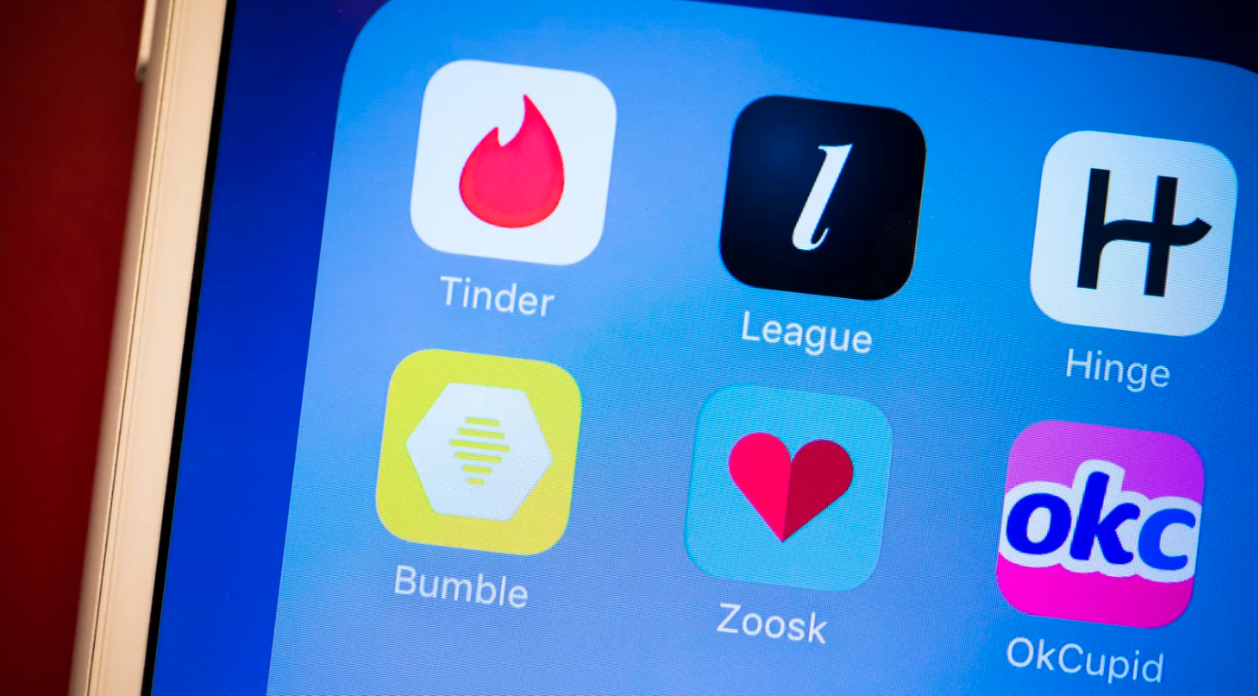
Sound familiar? Many of us have had experiences with dating apps such as Tinder or Bumble, whether we’re the user
looking for matches or just innocent bystanders entertained by it all. These dating apps (or dating “games” as some consider it)
have surged in popularity over the last few years. While these PBMDAs (or “picture-based mobile dating apps”) are certainly the
trend right now, dating websites are still quite popular as well. Yes, we may not be able to contain our laughter when talking
about FarmersOnly.com or FurryMate.com, but as of 2017 over 40 million people had tried online dating. It’s a real thing, and it’s
not going anywhere anytime soon.
looking for matches or just innocent bystanders entertained by it all. These dating apps (or dating “games” as some consider it)
have surged in popularity over the last few years. While these PBMDAs (or “picture-based mobile dating apps”) are certainly the
trend right now, dating websites are still quite popular as well. Yes, we may not be able to contain our laughter when talking
about FarmersOnly.com or FurryMate.com, but as of 2017 over 40 million people had tried online dating. It’s a real thing, and it’s
not going anywhere anytime soon.
You may be thinking to yourself, “Why would anyone actually want to find a mate online? Isn’t online dating just for hookups or
middle-aged divorcees?” Well, I’m here to tell you that online dating actually provides a super comfortable and safe environment for
people with high rejection sensitivity and low self-esteem (for those who are unaware, rejection sensitivity is one’s disposition to feel
anxious or overreact to rejection).
middle-aged divorcees?” Well, I’m here to tell you that online dating actually provides a super comfortable and safe environment for
people with high rejection sensitivity and low self-esteem (for those who are unaware, rejection sensitivity is one’s disposition to feel
anxious or overreact to rejection).
So why would these types of people benefit from online dating? Wouldn’t their fear of rejection dissuade them from using dating apps?
Well, when compared to traditional face-to-face dating, research is on the side of online dating.
Well, when compared to traditional face-to-face dating, research is on the side of online dating.
One benefit of online dating for these types of people is that rejection cues are much less noticeable. If someone “swipes left” on
you (rejecting your profile), you will never be notified. You’ll only ever be notified if you mutually like each other’s profile – and boy
does that feel good! Another benefit of online dating is that self-disclosure is much easier online for rejection-sensitive individuals.
Basically, they’re likely to be more comfortable sharing personal details online than they are in person, because any rejection that might
occur will go unnoticed, or hidden behind a screen, which is less intimidating than it is when faced with rejection in person.
you (rejecting your profile), you will never be notified. You’ll only ever be notified if you mutually like each other’s profile – and boy
does that feel good! Another benefit of online dating is that self-disclosure is much easier online for rejection-sensitive individuals.
Basically, they’re likely to be more comfortable sharing personal details online than they are in person, because any rejection that might
occur will go unnoticed, or hidden behind a screen, which is less intimidating than it is when faced with rejection in person.
Sure, online dating may not be the way that you personally want to find love – and that’s fine! But online dating, despite all the negative
connotations, really does provide a comfortable alternative for those who find traditional dating intimidating.
connotations, really does provide a comfortable alternative for those who find traditional dating intimidating.
This is a really interesting perspective on online dating! Usually I hear of many negative sides to it instead of the positive side. It makes sense that people with rejection sensitivity would be more comfortable with online dating apps, but I wonder how their relationships continue after the initial contact.
ReplyDeleteHave you ever read something and then worried that it sounded like you? @mereadingthisarticle. I would be really interested to see what the definition of a "rejection sensitive" individual is and whether or not it's really me. Yikes! Other than that, this sounds like a very fascinating topic and I can't wait to hear more about it!
ReplyDeleteHypothetically, if a friend that had sensitivity to dating and trouble finding someone in person, would you recommend them to get a dating app or online profile in order to meet someone? My mother still believes that you will find the one where you least expect it and maybe that is why Tinder is so appealing.
ReplyDeleteI wonder though if we all just live in one big dating app now anyway. We very rarely call someone on the phone or as people out in person so for the most part we are not being rejected face to face. Now a days if someone is interest in you they will text you or message you and say "I think you're cool wanna get coffee" and if they reject you it's simply a text and not face to face. So, maybe through the nature of the internet we have all developed rejection sensitivity.
ReplyDelete